 Result BD Stay Ahead with Every Result
When it comes to your health, you want the best care possible—no matter where you are in the world. Singapore’s healthcare market is specially designed to meet the needs of international patients like you.
Imagine a place where world-class medical expertise meets cutting-edge technology, all wrapped in a system that understands your unique needs. If you’re looking for reliable, efficient, and personalized healthcare abroad, Singapore might just be the perfect choice. Keep reading to discover why Singapore stands out as a top destination for international healthcare and how it can make a difference in your health journey.
Global Appeal Of Singapore’s Healthcare
Singapore’s healthcare system draws patients from around the world. Its reputation for quality care and advanced technology stands out. Many international patients trust Singapore for their medical needs. The country combines expert doctors with a safe, clean environment. This blend makes Singapore a top choice for healthcare abroad.
Key Factors Attracting International Patients
Singapore offers skilled doctors with global training and experience. Hospitals use the latest technology and follow strict safety rules. English is widely spoken, easing communication for many patients. The country provides quick appointment scheduling and short waiting times. Healthcare costs are reasonable compared to Western countries. Patients find comfort in Singapore’s clean and safe environment. These factors create strong trust and confidence among visitors.
Role Of Medical Tourism In Market Growth
Medical tourism plays a major role in Singapore’s healthcare growth. Many patients travel here for elective surgeries, cancer treatment, and heart care. The government supports medical tourism with clear policies and promotion. Hospitals have special services for international visitors, such as visa assistance. Tourism and healthcare work together to boost the economy. Growth in medical tourism leads to more investment in healthcare facilities. This cycle helps Singapore maintain its global healthcare status.
Cutting-edge Medical Technologies
Singapore’s healthcare market stands out with its use of cutting-edge medical technologies. These technologies improve patient care and make treatments faster and safer. The focus on innovation supports Singapore’s role as a top destination for international patients. Hospitals and clinics use the latest tools to offer high-quality services.
Integration Of Ai And Robotics
Artificial intelligence (AI) helps doctors analyze medical data quickly. AI systems can detect diseases early by studying images and records. Robotics assist in surgeries, making procedures more precise. Robots can perform complex tasks with steady movements. This reduces risks and shortens recovery times for patients.
Advances In Telemedicine Services
Telemedicine allows patients to consult doctors remotely. Video calls and online platforms connect patients with specialists worldwide. This convenience helps international patients receive care without traveling. Doctors can monitor patients’ health using digital devices. Telemedicine also supports follow-up care after hospital visits.
Top Medical Institutions And Facilities
Singapore offers some of the best medical institutions in Asia. These facilities attract patients from around the world. They combine advanced technology with expert care. The hospitals and clinics provide a wide range of services. From routine check-ups to complex surgeries, patients receive top care. The city-state invests heavily in healthcare infrastructure. This ensures comfort, safety, and high-quality treatment for all.
Renowned Hospitals And Clinics
Several hospitals in Singapore are known globally. Hospitals like Singapore General Hospital and National University Hospital lead in patient care. These institutions have specialist teams for different medical fields. They use modern equipment to diagnose and treat illnesses. Clinics in Singapore also offer personalized healthcare services. Many doctors speak multiple languages. This helps international patients feel more at ease.
Accreditations And International Standards
Singapore’s medical institutions meet strict international standards. Many hospitals hold accreditation from global bodies like JCI (Joint Commission International). This proves their commitment to safety and quality. These standards cover patient care, facility management, and staff training. Hospitals regularly undergo audits to maintain their status. Patients trust these certifications as a sign of excellent care. The focus on quality makes Singapore a trusted healthcare hub.
Healthcare Policies Supporting Innovation
Singapore’s healthcare system encourages new ideas and technology. Policies support growth and innovation in the medical field. This approach helps improve care quality and efficiency. Patients from around the world benefit from advanced treatments and services.
The government creates rules and programs to back research and development. It also promotes teamwork between public and private sectors. These efforts build a strong healthcare market designed for international care.
Government Initiatives And Funding
The Singapore government funds healthcare projects to drive innovation. Grants and subsidies help hospitals and startups develop new solutions. Research centers receive support for cutting-edge medical studies. This financial aid speeds up the creation of better treatments and tools.
Policies encourage the use of digital technology in healthcare. Electronic health records and telemedicine become more common. The government also sets standards to ensure safety and quality. This framework attracts global health companies to Singapore.
Public-private Partnerships In Healthcare
Collaboration between the government and private companies boosts healthcare innovation. Shared resources and knowledge lead to faster progress. Hospitals work with tech firms to create smart medical devices. Insurance companies partner with providers to offer new care plans.
These partnerships make healthcare more accessible and affordable. They also improve patient outcomes through better services. The mix of public and private efforts strengthens Singapore’s position in global healthcare.
Patient-centered Care Models
Singapore’s healthcare market focuses on patient-centered care models. These models put patients at the heart of every decision. They ensure treatment fits each person’s unique needs and preferences. The goal is clear: better health outcomes and higher patient satisfaction.
Patient-centered care means understanding the whole person. It respects their culture, language, and values. This approach helps patients feel heard and cared for. It builds trust between patients and healthcare providers.
Customized Treatment Plans
Singapore’s healthcare system creates treatment plans tailored to each patient. Doctors consider medical history, lifestyle, and personal preferences. This approach avoids one-size-fits-all solutions. It focuses on effective, personalized care. Patients receive treatments that suit their specific conditions and goals. Adjustments happen as patients respond to therapy. This flexibility improves recovery and health management.
Multilingual And Multicultural Support
Many patients in Singapore speak different languages. Healthcare providers offer multilingual support to bridge communication gaps. Staff members speak English, Mandarin, Malay, Tamil, and other languages. This support reduces misunderstandings and improves care quality. The system respects cultural differences in health beliefs and practices. It creates a comfortable environment for international patients. Respect for culture enhances trust and cooperation in treatment.
Training And Talent Development
Training and talent development form the backbone of Singapore’s healthcare market designed for international care. The country invests heavily in building a skilled workforce. This focus ensures high-quality service for patients from around the world.
Healthcare professionals receive continuous education and hands-on training. This approach helps them stay updated with the latest medical knowledge and technology. Talent development also supports innovation and research, driving the healthcare sector forward.
Medical Education And Research
Singapore hosts some of Asia’s top medical schools. These institutions offer world-class education and practical training. Students learn from experienced doctors and researchers. They gain skills needed for international healthcare standards.
Research centers work closely with hospitals. This collaboration creates new treatments and improves patient care. Medical education in Singapore emphasizes real-world experience. Students participate in clinical trials and community health programs.
Attracting Global Healthcare Professionals
Singapore welcomes healthcare workers from around the globe. The country offers attractive career opportunities and a supportive work environment. Visa policies and professional licensing make it easier for foreign experts to join.
Global professionals bring diverse skills and knowledge. They help raise the quality of care and foster cultural understanding. Singapore’s healthcare system values teamwork and continuous learning. This creates a vibrant community of healthcare talent.
Future Trends In Singapore’s Healthcare
Singapore’s healthcare system is evolving quickly. The future promises new technologies and stronger global ties. These changes aim to improve care for local and international patients alike. The market is ready to meet rising demands with smart solutions and partnerships.
Emerging Innovations On The Horizon
Technology shapes the future of healthcare in Singapore. Artificial intelligence helps doctors diagnose diseases faster. Telemedicine allows patients to consult specialists from anywhere. Robotics assist in surgeries, making procedures safer and precise. Wearable devices track health in real time. These tools support better treatment and patient care.
Expanding International Collaborations
Singapore builds stronger links with global healthcare leaders. Hospitals join forces for research and knowledge sharing. Medical tourism grows as more patients seek care in Singapore. Partnerships with foreign institutions improve training for healthcare workers. These collaborations boost the quality and reach of healthcare services.
Frequently Asked Questions
What Makes Singapore’s Healthcare Market Unique For International Patients?
Singapore offers world-class medical facilities, skilled professionals, and advanced technology. The market is designed to cater to international patients with personalized services and seamless coordination.
How Does Singapore Support Medical Tourism?
Singapore provides efficient visa processes, multilingual staff, and international patient centers. These factors ensure smooth travel and healthcare experiences for global patients.
What Types Of Treatments Attract International Patients To Singapore?
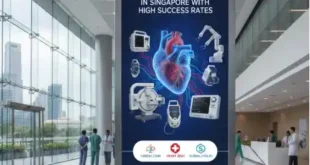
Singapore is known for oncology, cardiology, orthopedics, and cosmetic surgery. The high success rates and advanced treatments draw patients worldwide.
Are Healthcare Costs In Singapore Affordable For International Patients?
Healthcare costs in Singapore are competitive compared to Western countries. Patients receive high-quality care with transparent pricing and various payment options.
Conclusion
Singapore’s healthcare system welcomes patients from around the world. It blends advanced technology with skilled medical staff. Quality care is available in both public and private hospitals. Services are designed to meet diverse international needs. Patients find comfort in clear communication and cultural sensitivity.
The market keeps growing to serve global health demands. Choosing Singapore means accessing reliable, efficient healthcare. A trusted destination for those seeking medical support abroad.